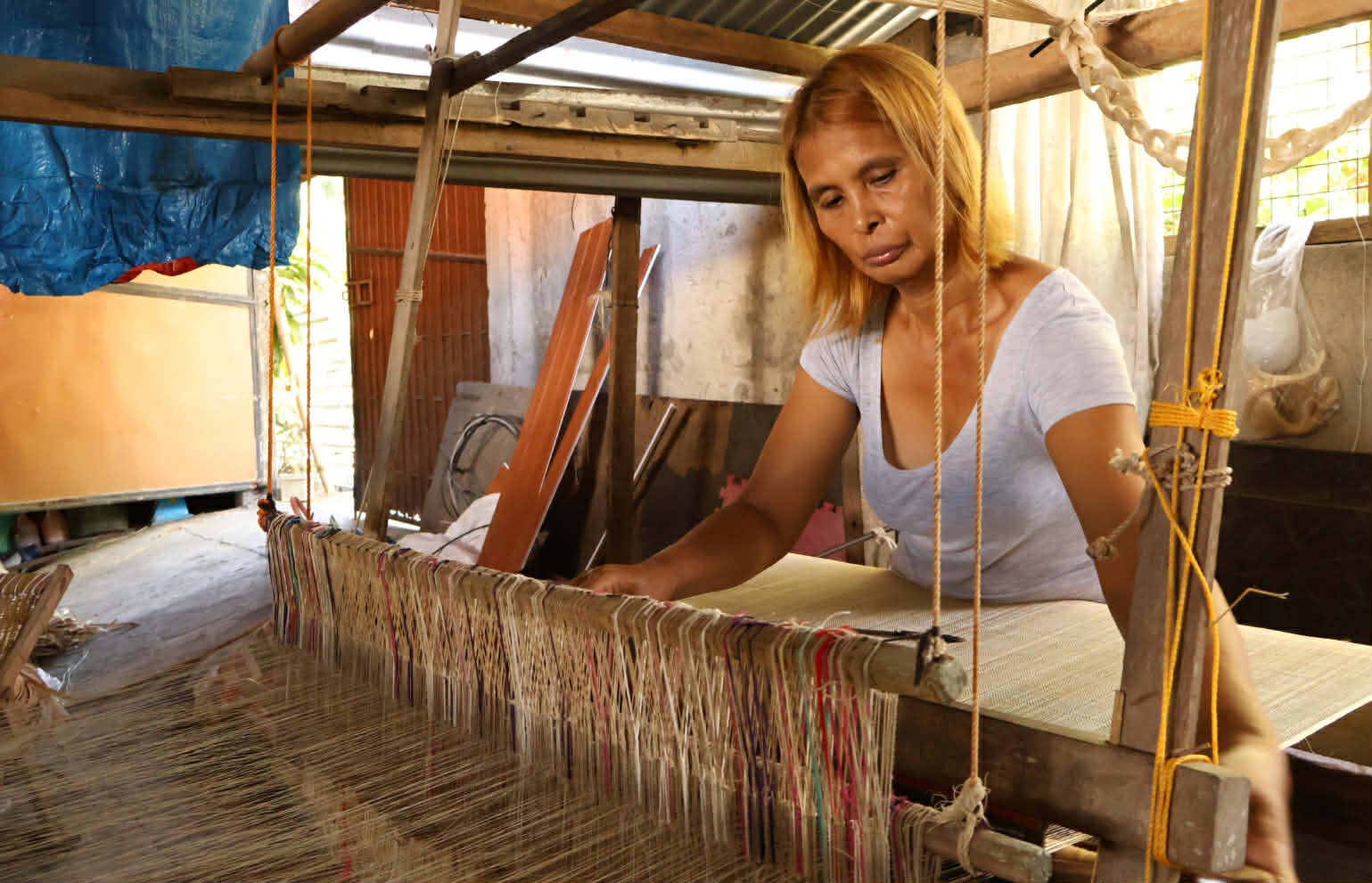
Before factories and fast fashion, there was abaca—quietly shaping lives in the Bicol Region long before the world learned the language of sustainability. Drawn from a plant related to the banana tree and endemic to the Philippines, abaca has long thrived in Bicol’s fertile volcanic soil and rain-soaked landscape. Here, nature does not merely provide; it collaborates.
By the 18th century, abaca had already claimed its place on the global stage. Prized for its strength, the fiber bound ship anchors and riggings at a time when oceans were the world’s highways. Albay, particularly the once-thriving town of Cagsawa, stood at the center of this trade, exporting Bicol’s finest fiber across continents. What was once a global commodity remains, today, a deeply personal livelihood.
That living heritage finds its modern expression in Shirls and Lars Handicraft, a small-scale, eco-conscious enterprise based in Bonga, Legazpi City, Albay. Officially recognized as a licensed abaca handicraft processor by the Philippine Fiber Industry Development Authority (PhilFIDA), the business transforms raw fiber into sinamay, novelty pieces, and burlap-based crafts. Each item is shaped by hand, patience, and respect for nature.
Behind every woven piece is Shirley Alaurin, the woman who has spent nearly three decades devoted to the craft. Her relationship with abaca began in childhood, sparked by curiosity at the age of six. At 27, she took a decisive step, turning a deeply rooted passion into a livelihood. From modest beginnings, Shirley built Shirls and Lars not as a factory, but as a community-centered craft space where tradition and sustainability coexist.
For Shirley, sustainability is not a marketing term; it is a daily practice. Production continues year-round not for scale, but for stability, ensuring steady work for artisans who depend on abaca for survival. With few competitors in the area, the enterprise has chosen consistency over mass expansion, valuing quality, fair labor, and long-term environmental care. Nature sets the rhythm of the craft.
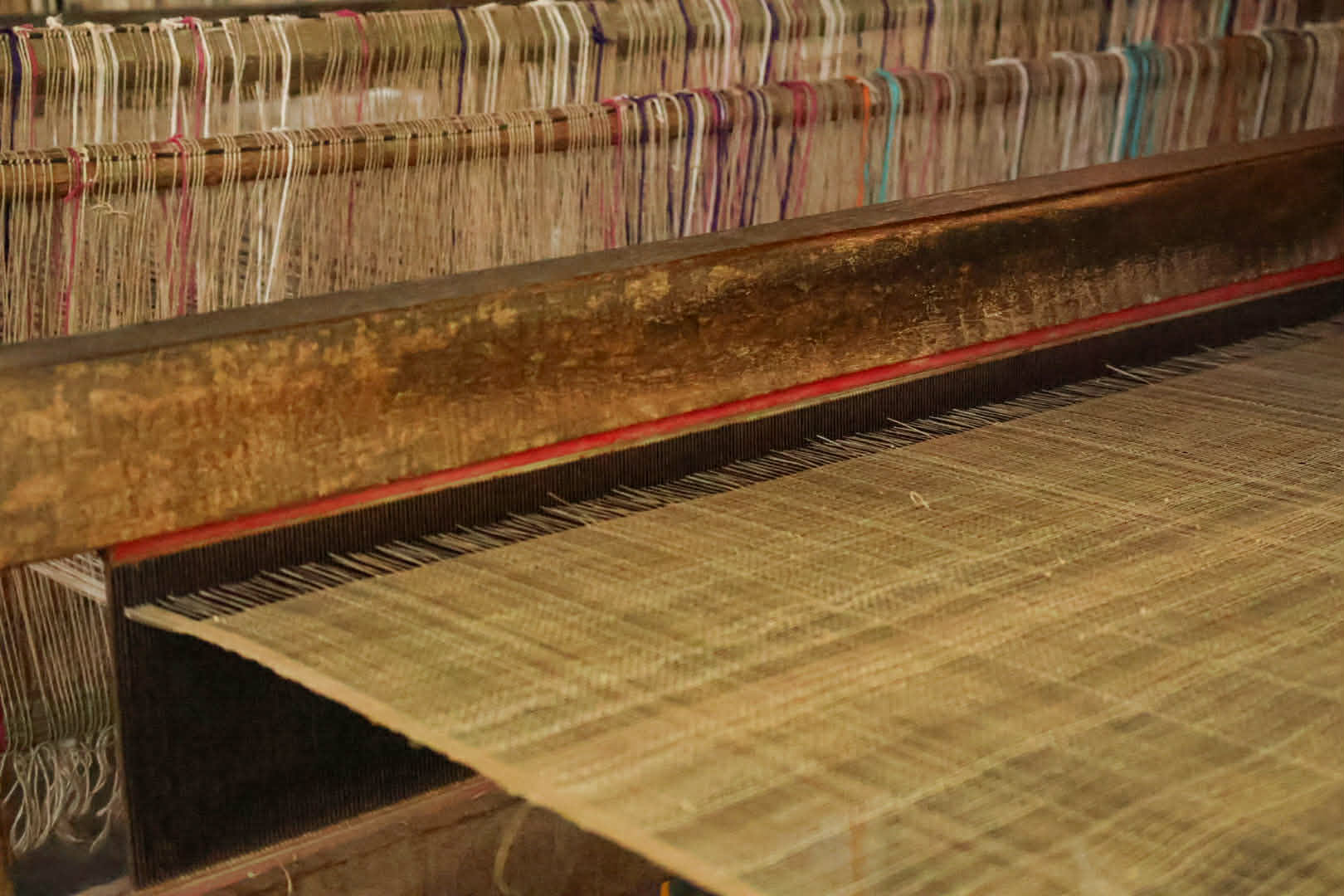
By stockpiling abaca fibers during the dry season, Shirley ensures uninterrupted production when rains arrive; a strategy that respects both climate patterns and the livelihoods tied to them. Waste is minimal, materials are biodegradable, and every step of the process honors the natural life cycle of the fiber.
Yet, amid its quiet success, the business faces a pressing challenge: the fading interest of the younger generation in traditional handicrafts. In a world drawn to fast, synthetic, and disposable goods, abaca craftsmanship risks being left behind, not because it lacks value, but because its story is not often told.
And perhaps that is where the true power of Shirls and Lars lies. In every handcrafted piece is a reminder that sustainability is not new—it is ancestral. It is woven into Bicol’s soil, its history, and its people. As long as hands continue to work with nature rather than against it, abaca will endure. Not as a relic of the past, but as a living testament to craft, culture, and care for the earth.
Discussion 2
Join the conversation
Log in to commentWow!
Good readdd!